
Mentorship as a Business Strategy, Not a Benefit
January is Mentorship Month, but for HR leaders, mentorship can no longer live in the category of “nice-to-have.” Our research reinforces a critical truth: mentorship is not just a development tool, it’s a cultural and performance accelerator.
One of the strongest findings from our data is the link between belonging and participation. Frontline employees who report a high sense of belonging are significantly more interested in engaging in mentorship opportunities than those with lower belonging scores. This tells us something important: mentorship doesn’t just build belonging, it thrives where belonging already exists. Organizations that foster psychological safety and inclusion create conditions in which mentoring relationships are sought out, valued, and sustained.
At the same time, our research highlights a growing challenge, particularly for Gen Z employees. Nearly 50% of Gen Z workers report that their managers are simply “too busy” to provide the level of support they need. This isn’t a motivation issue; it’s a capacity issue. Younger workers are eager for guidance, feedback, and growth, but traditional, manager-led mentorship models are breaking under the pressure of heavy workloads. For HR leaders, this signals a need to rethink mentorship structures, expanding beyond one-to-one manager relationships and into peer mentoring, group mentoring, and enterprise-supported programs.
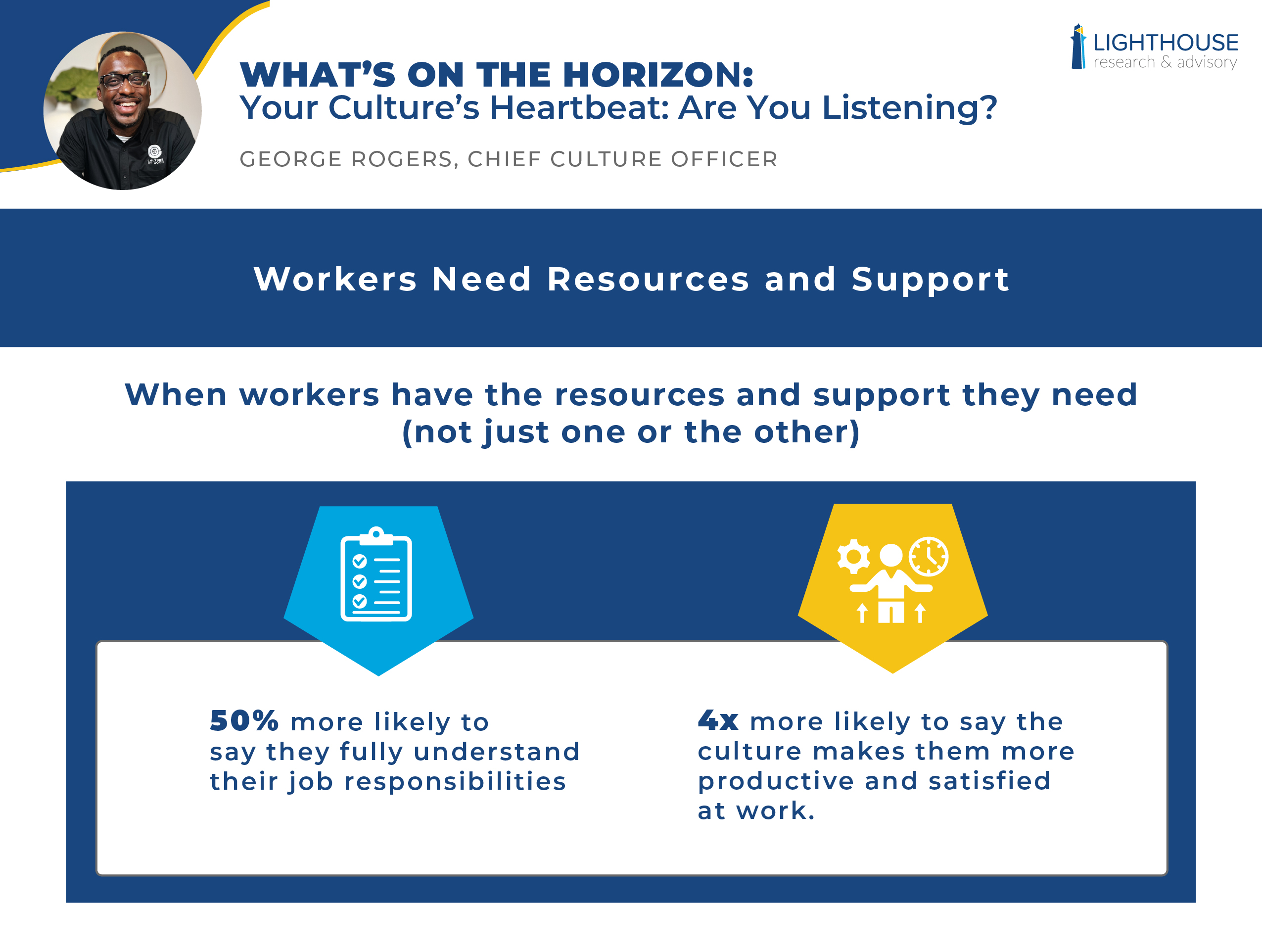
Why does this matter? Mentorship directly impacts role clarity, which is one of the strongest predictors of performance. Our research shows that when employees receive helpful support from their managers, a core outcome of effective mentorship, they are 50% more likely to fully understand their job responsibilities. Clarity reduces friction, builds confidence, and enables employees to focus their energy on meaningful work rather than guessing expectations.
The takeaway for 2026 is clear: mentorship must be designed intentionally. It should be scalable, supported, and embedded in the culture, not dependent solely on individual bandwidth.
This January, HR leaders have an opportunity to reframe mentorship not as an extra initiative but as a strategic lever that strengthens belonging, accelerates development, and drives business outcomes. When mentorship works, everyone moves forward together.

George Rogers is the Chief Strategy Officer at Lighthouse Research & Advisory. He is an author, coach, and globally renowned keynote speaker acclaimed for delivering compelling insights on cultivating purpose-driven, profitable businesses. As a leader developing inclusive and motivating workplace environments, he consistently provides transformative perspectives and guidance to organizations worldwide. Over the past two decades, he has dedicated himself to inspiring leaders and transforming workplace cultures.
In his book Champion Your Purpose, we learn that finding purpose in life looks different for everyone, and very few will find the exact common purpose that aligns the exact same. He provides a step-by-step approach to help readers identify their purpose and align it with their personal and professional goals.
His research focuses on leadership and its impact on performance, engagement, culture, mental health, inclusion, and belonging. If you ask him what led him to the HR space, he will remind you that his passion and purpose are championing people.
With over 25 years of leadership and keynote speaking experience, he has inspired, empowered, and challenged every audience —virtually and in person —to discover their purpose in the workforce, learn how to Champion Your Purpose individually, and lead the life they love.
